
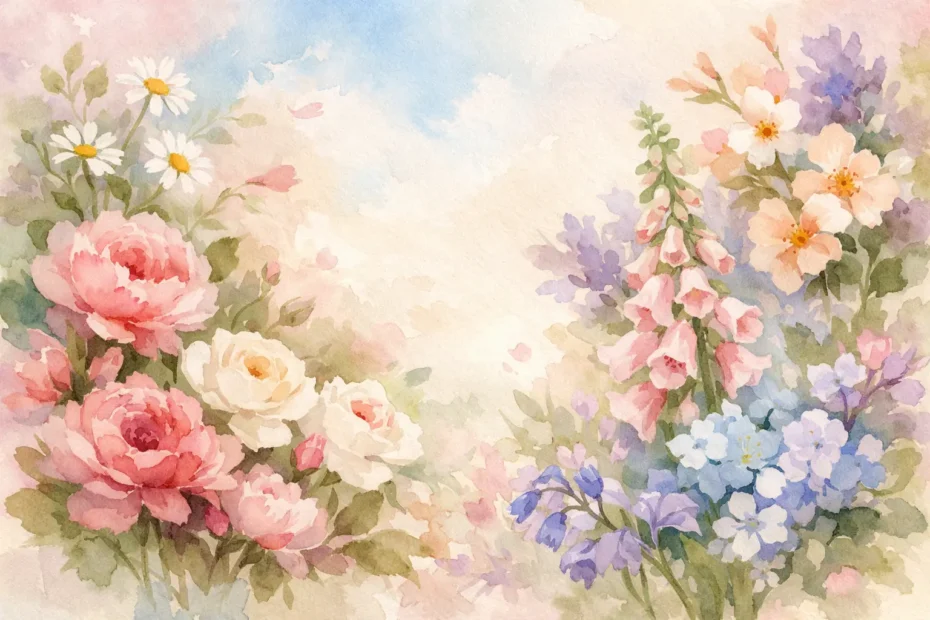
Spring weddings have a kind of natural romance that hardly needs forcing. The light is softer, gardens are waking up, and the whole season feels made for fresh color and meaningful celebration. That is exactly why choosing the best flowers for spring weddings is less about chasing trends and more about selecting blooms that feel alive, personal, and beautifully in step with the season.
The right spring flowers do more than look pretty in a bouquet. They shape the mood of your ceremony, soften your reception space, and help every floral detail feel connected – from the bridal bouquet to the centerpieces to the final ribbon on a flower girl basket. If you are planning a wedding in the Chicago suburbs, spring also brings a practical question: which flowers will actually hold up well, photograph beautifully, and suit the kind of atmosphere you want to create?
What makes the best flowers for spring weddings?
A spring wedding palette usually works best when it feels effortless, even if every stem was thoughtfully chosen. Seasonality matters because flowers that naturally peak in spring often have better texture, better movement, and a fresher overall presence than blooms that are being heavily sourced out of season.
That does not mean every spring wedding should look pastel or garden-style. Some couples want airy and delicate. Others want bold coral, layered pink, clean white, or a more modern look with fewer varieties and stronger shapes. The best floral choices depend on your venue, your color palette, and how formal or relaxed you want the day to feel.
Budget is part of the conversation too. A few premium flowers can make a strong impact in personal flowers, while supporting blooms and greenery help carry the design throughout the event. A beautiful floral plan is rarely about choosing the most expensive flower in every arrangement. It is about balance, placement, and knowing where certain blooms will shine most.
12 best flowers for spring weddings
Peonies
Peonies are often the first flower couples ask about, and for good reason. They have that lush, cloud-like fullness people associate with romance, and they open beautifully in spring. In bouquets, they create softness and generosity. In centerpieces, they bring instant abundance.
The trade-off is availability and timing. Early spring weddings may not always line up with the fullest peony season depending on sourcing, and pricing can vary. If peonies are your must-have bloom, it helps to build your floral design around them rather than treating them as an afterthought.
Ranunculus
Ranunculus has a layered, delicate look that feels refined without being fussy. It is one of the most versatile spring flowers because it works in classic, whimsical, and modern wedding styles. The petals add texture and depth, especially in bouquets that mix soft neutrals and gentle color.
For couples who love peonies but want something slightly more controlled in shape, ranunculus is often a beautiful fit. It blends especially well with garden roses, sweet peas, and tulips.
Tulips
Tulips are one of spring’s clearest signatures. They can feel playful, elegant, or minimalist depending on how they are used. Massed together in a monochromatic arrangement, they look polished and clean. Mixed into a garden-style bouquet, they add movement and a little unpredictability in the loveliest way.
One thing to know is that tulips continue to grow after they are arranged. That natural movement is part of their charm, but it also means they are not the right choice for every highly structured design.
Sweet Peas
Sweet peas bring fragrance, fluttery texture, and a very romantic line. They are wonderful in bridal bouquets because they soften the entire composition and make everything around them feel more delicate. Their scent is also one of those details guests may not name, but they will absolutely feel.
They are not usually the flower carrying a whole centerpiece on their own. Instead, they work best as a supporting bloom that adds intimacy and detail.
Garden Roses
Garden roses are available beyond spring, but they are especially lovely in spring wedding designs because they pair so naturally with seasonal blooms. They have more petal count and personality than standard roses, which makes them feel elevated and expressive.
If you want a timeless wedding look but still want your flowers to feel soft and organic, garden roses can anchor the design. They are also helpful when you want a lush floral story without relying entirely on more limited blooms like peonies.
Anemones
Anemones have a striking center that gives arrangements contrast and a slightly modern edge. White anemones with dark centers are especially popular for black-tie weddings, clean spring palettes, and couples who want something crisp rather than overly sweet.
They are proof that spring florals do not have to be all blush and ruffles. If your wedding style leans tailored or architectural, anemones can bring just the right amount of drama.
Hyacinth
Hyacinth is loved for both color and fragrance. It has a clustered bloom structure that adds fullness and a true spring garden feeling. Used thoughtfully, it can make bouquets and centerpieces feel freshly gathered and full of life.
Because the scent is quite noticeable, moderation matters. In personal flowers or smaller table pieces, hyacinth can be lovely. In very dense floral installations, it may be more fragrance than some guests prefer.
Lilac
Few flowers feel more nostalgic and season-specific than lilac. It has an airy, branching shape and a soft scent that instantly brings to mind spring in bloom. For weddings with a romantic, outdoor, or English-garden feel, lilac can be magical.
Its season is short, and it can be somewhat delicate, so it is often best used where it can be appreciated up close. When available, though, it creates an unmistakable sense of season.
Hellebores
Hellebores are a favorite in more nuanced spring palettes. Their tones can be muted, moody, or softly washed, which makes them ideal for couples who want something less expected than bright seasonal color. They work beautifully in bouquets with textural greens, ranunculus, and garden roses.
They are especially appealing for early spring weddings, when the season still carries a little winter quiet.
Stock
Stock is often underestimated, but it is one of the hardest-working flowers in spring arrangements. It adds height, fragrance, and fullness, making it useful in ceremony pieces and reception florals where you want volume without sacrificing beauty.
It may not be the headline flower in your bouquet, but it often helps the premium blooms look even better. That kind of supporting role matters in cohesive floral design.
Daffodils
Daffodils are cheerful, bright, and unmistakably spring. They can be perfect for more relaxed weddings, daytime celebrations, or couples drawn to yellow and buttercream tones. Used in the right palette, they feel fresh and joyful rather than overly casual.
They do have a distinct personality, so they are not for every wedding style. If your vision is elegant and restrained, they may be better as a small accent rather than a dominant bloom.
Viburnum
Viburnum offers shape and texture that can make spring arrangements feel lush and layered. Its soft green tones are especially beautiful in white, blush, and pale blue palettes. It brings freshness without reading as plain greenery.
For ceremony flowers and larger reception pieces, viburnum can help create that abundant garden look many spring couples love.
How to choose spring wedding flowers that fit your style
The easiest way to narrow your choices is to start with feeling, not flower names. Do you want your wedding to feel airy and romantic, polished and classic, or fresh and a little unexpected? Once that mood is clear, flower selection becomes much more intuitive.
Color should guide the conversation next. Spring gives you room to go soft with blush, ivory, and pale blue, but it also supports richer coral, lavender, butter yellow, and even saturated pink. A beautiful floral palette does not need twenty colors. Often, two or three thoughtfully repeated tones feel more intentional and more luxurious.
Your venue matters too. A ballroom may need fuller centerpieces and stronger focal flowers so the design does not disappear into the room. A garden, tent, or chapel setting may call for movement, fragrance, and a looser hand. In places like Tinley Park, Frankfort, and the surrounding suburbs, where spring weather can shift quickly, flower choices should also account for temperature, transport, and setup timing.
A few practical notes on seasonality and budget
Spring flowers can be dreamy, but they are not all equal in cost or availability. Peonies, lilac, and certain specialty blooms may be more limited depending on your date. Tulips, stock, and some roses can help create fullness while keeping the design balanced.
This is where custom planning makes a difference. An experienced floral designer can preserve the feeling you want, even if one exact flower is unavailable or better replaced with something comparable. At An English Garden Wedding & Event Florals, that part of the process matters because the goal is not to force a recipe. It is to create flowers that tell your story beautifully and work for your real celebration.
The loveliest spring wedding flowers are the ones that feel true to the season and true to you. When your blooms echo the mood of your day, the colors in your space, and the emotion behind the celebration, they do what flowers do best – they make the whole moment feel a little more alive.