
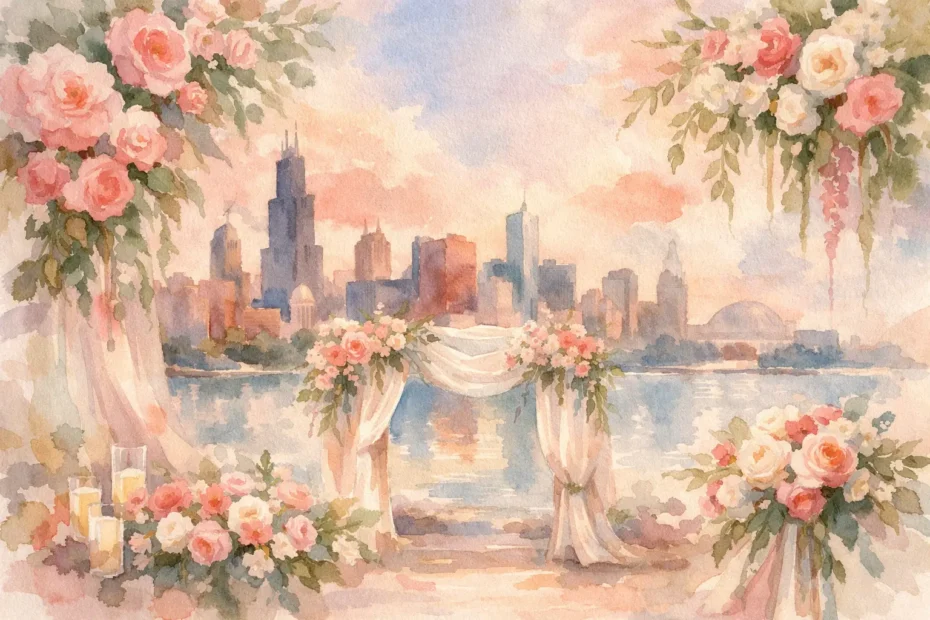
A ceremony space can feel entirely different by the time guests return for dinner. The aisle where you exchanged vows may become a candlelit entrance to the reception. A floral installation that framed your first kiss may become the backdrop for your sweetheart table. That is the heart of a Chicago wedding flower transformation: making every beautiful stem work with intention, emotion, and the rhythm of your celebration.
For couples planning a wedding in the Chicago suburbs, floral transformation is not about filling every surface with flowers. It is about creating a considered experience from the first guest arrival to the final dance. With thoughtful planning, flowers can soften a grand ballroom, bring warmth to a modern venue, add garden romance to a tented celebration, or make a familiar room feel like it was designed just for your love story.
What a Chicago Wedding Flower Transformation Can Do
The most memorable wedding flowers do more than match a color palette. They help guests feel the atmosphere you imagined. Perhaps that means an airy late-summer garden with meadow-like blooms, delicate movement, and fruitwood accents. Perhaps it means a tailored black-tie evening layered with white blooms, sculptural greenery, candlelight, and refined vessels.
Transformation begins by looking at the venue as it truly is. Every space has its own strengths: tall ceilings, warm brick, dramatic windows, architectural columns, a ballroom’s scale, or the intimacy of a private estate. Floral design should draw attention to those details rather than compete with them. A strong design partner sees where flowers will create the most impact and where the room needs space to breathe.
At An English Garden Wedding & Event Florals, that process begins with listening. Your floral vision should feel personal, not pulled from a template. The season, the setting, the people you love, and the feeling you want to carry into the room all help shape the final design.
Start With the Moments Guests Will Remember
Not every wedding needs flowers in every corner. Investing in a few meaningful focal points often creates a more polished result than spreading the budget too thinly across dozens of small arrangements.
The ceremony is usually the natural place to begin. It holds the moment everyone came to witness, and it appears in some of the photographs you will keep closest. Floral meadow arrangements lining the aisle, an organic garden arch, statement urns, or clusters of blooms around a modern backdrop can give the space a sense of occasion without hiding the people at its center.
Then consider the reception entrance. Guests should feel a shift when they move from ceremony to celebration. Flowers at the welcome sign, escort card display, bar, or entry table can set the tone immediately. A small arrangement will not need to do the work of a large installation, but it can carry the same palette, texture, and personality forward.
The tables deserve careful attention because guests spend the most time there. Low centerpieces encourage conversation and create a lush, welcoming view across the room. Elevated arrangements bring drama and are especially lovely in rooms with high ceilings. A mix of heights often gives the best visual rhythm, though it depends on the venue and the guest count. For an intimate dinner, too many tall pieces can feel formal or crowded. For a large ballroom, all-low centerpieces may disappear.
Build a Floral Story, Not a Collection of Pieces
A wedding feels cohesive when each floral moment speaks the same visual language. That does not mean every arrangement must look identical. In fact, a little variation makes the design feel more natural and layered.
A bridal bouquet might feature the most delicate or meaningful blooms in the palette. Ceremony flowers can feel fuller and more immersive. Reception centerpieces may use the same flower families in a different scale, with candles and rentals completing the tablescape. The repetition of color, shape, and texture lets guests recognize the story without seeing the same arrangement repeated all night.
For example, a couple drawn to an English garden feeling may choose romantic garden roses, spray roses, delphinium, delicate sweet pea, and textural greenery. Those elements can be translated into a loose bouquet, grounded aisle arrangements, and abundant centerpieces with a softly gathered appearance. A couple with a more modern point of view may prefer anthurium, orchids, calla lilies, or clean floral groupings in sleek vessels. Both styles can be deeply personal. The transformation comes from carrying the vision through every space with care.
Reuse Flowers Where It Makes Sense
Repurposing ceremony florals for the reception is one of the most thoughtful ways to extend their beauty. It can also help couples direct more of their floral investment toward larger, more impactful pieces. The key is planning for the move from the beginning.
Aisle arrangements can be placed at the base of the sweetheart table, around the band or DJ, near the cake display, or along the reception entrance. Large ceremony arrangements can frame a welcome moment or add fullness behind the head table. Floral pieces on stands can sometimes move to the dance floor or photo area, provided the setup is designed for a safe, efficient transition.
There are practical limits. A delicate installation may not be suitable to relocate, and a tight timeline between ceremony and cocktail hour may leave little room for extensive moving. Weather matters for outdoor events, too. Your floral team should be honest about what can be reused beautifully and what is better left in place. The goal is never to make guests wait while decor is rearranged. It is to create a graceful second life for the flowers without interrupting the celebration.
Let Seasonality Shape the Design
Chicago weddings move through distinct seasons, each with its own floral character. Spring brings fresh movement and beloved blooms such as tulips, ranunculus, lilac, and peonies. Summer offers generous color, garden roses, hydrangea, dahlias, and abundant texture. Fall welcomes richly toned dahlias, cosmos, amaranthus, and foliage that feels warm without becoming overly rustic. Winter can be luminous and elegant with amaryllis, roses, hellebore, evergreen, branches, and candlelight.
Choosing seasonal flowers does not mean settling for a limited look. It means working with what is naturally at its most beautiful and often most plentiful. If a must-have flower is out of season, an experienced designer can suggest an alternative with a similar shape, mood, or color. This is where flexibility protects the design. A specific inspiration photo may be lovely, but the finished flowers should be made for your date, your venue, and your own celebration.
Use Color to Change the Feeling of a Room
Color is one of the fastest ways to transform a venue. Soft whites and layered greens can make a formal room feel fresh and romantic. Blush, peach, butter yellow, and pale blue bring a joyful garden softness. Rich burgundy, plum, rust, and chocolate create depth for autumn or candlelit celebrations. Monochromatic flowers in one focused shade can feel strikingly modern, especially against a neutral room.
The most successful palettes include more than one note. Instead of choosing only “pink,” consider whether you are drawn to petal pink, dusty rose, coral, raspberry, or mauve. Add a connecting neutral, an accent, and textural foliage. This gives the designer room to create dimension while keeping the overall look unmistakably yours.
Candles, linens, chairs, and floral vessels matter here, too. Flowers do not exist separately from the table. A floral centerpiece may feel airy and romantic in a delicate compote, while the same blooms in a black vessel become more dramatic. Event rentals can help complete the transformation by adding the height, texture, and framing that flowers alone cannot always provide.
Plan Early, Then Leave Room for Artistry
The best floral conversations begin well before the wedding day, ideally once the venue and general guest count are known. Bring inspiration, but also share how you want the day to feel. A florist can learn more from “we want our guests to feel like they are at a beautiful dinner party in a garden” than from a folder of identical photos.
Be open about priorities and budget from the start. If an immersive ceremony installation matters most, it may make sense to simplify cocktail tables. If guest tables are your central focus, consider a more restrained ceremony setting that can be repurposed later. There is no single right allocation. The right choice is the one that supports your favorite moments and your overall experience.
Flowers are living, seasonal materials, and that is part of their magic. Allowing room for your designer’s creative judgment means the exact bloom variety may shift, but the feeling you chose remains true. You are not simply ordering arrangements. You are inviting floral artistry to give your celebration a sense of place, beauty, and lasting happiness.
When you picture your wedding day years from now, think beyond individual flowers. Picture the welcome your guests receive, the space around your vows, and the table where laughter carries late into the evening. That feeling is where a thoughtful transformation begins.