
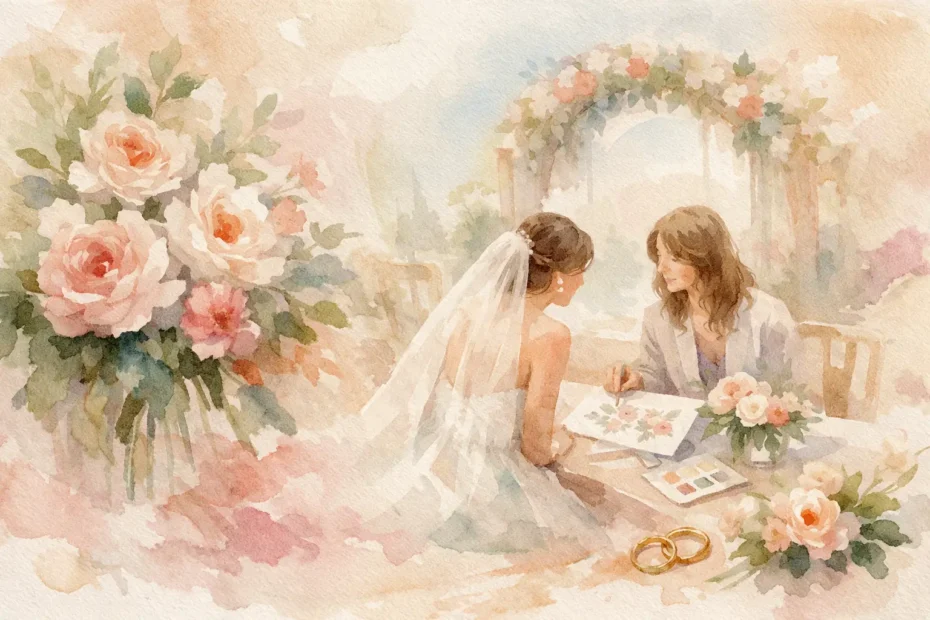
The first time you sit down to talk wedding flowers, it can feel less like choosing blooms and more like translating a feeling. You may know you want the day to feel romantic, fresh, timeless, garden-inspired, dramatic, or softly understated, but putting that into specific floral choices is where a floral design consultation wedding process becomes so valuable. It turns scattered inspiration into a thoughtful plan that suits your venue, your style, and the way you want your celebration to feel.
A good consultation is not a sales pitch dressed up as design advice. It should feel like a creative conversation with structure behind it. The right floral partner listens closely, asks smart questions, and helps you see how bouquets, ceremony flowers, centerpieces, and personal details can work together as one story rather than a collection of separate pieces.
What a floral design consultation wedding meeting should accomplish
By the end of a consultation, you should feel clearer, not more overwhelmed. That does not always mean every single flower is chosen on the spot. In fact, for many weddings, it is better when the conversation focuses first on atmosphere, priorities, and overall direction.
Your florist should be helping you define what matters most. For one couple, that may be a breathtaking ceremony arch and lush bridal bouquet. For another, it may be candlelit reception tables with floral designs that create warmth without blocking conversation. Someone planning a ballroom reception will need a different approach than someone hosting a tented garden celebration or an intimate dinner at a restaurant.
A strong consultation also helps connect your floral vision to practical realities. Flowers are shaped by season, availability, installation needs, venue rules, and budget. That does not limit creativity. It gives creativity a framework, which is often where the best design decisions happen.
How to prepare before your floral design consultation wedding appointment
You do not need a fully formed floral vocabulary before meeting with a designer. You do, however, need a sense of what you love and what you want your guests to experience.
Start with mood before mechanics. It helps to collect images of weddings, tablescapes, bouquets, color palettes, and venues that genuinely speak to you. Try not to choose inspiration only because it is trendy. The most beautiful floral work usually begins with something more personal – a favorite garden flower, a season you love, a dress with movement and softness, a venue with historic charm, or a color palette that reflects your home and style.
It is also helpful to know the basics of your event before the meeting. Your date, venue, estimated guest count, wedding party size, and rough timeline all affect floral planning. If you already know whether you want ceremony flowers repurposed for the reception, that is worth mentioning too. Those choices influence both design and logistics.
Budget matters here as well, and it is better to be open about it early. Couples sometimes worry that sharing a number will limit creativity, but the opposite is usually true. A realistic budget gives your florist room to guide you honestly, show where your investment will have the most visual impact, and suggest adjustments that still feel beautiful.
What your florist will likely ask
During the consultation, expect questions that go beyond favorite flowers and colors. A thoughtful florist wants to understand the personality of the event.
You may be asked how formal the wedding will feel, what elements of the venue you want to highlight, how you want your bouquet to feel in your hands, and whether your style leans airy and organic or refined and tailored. You may also be asked about linens, attire, candlelight, rentals, and signage because flowers rarely exist on their own. They are part of the larger visual language of the day.
This is one reason consultation-led floral design feels so different from ordering standard arrangements. The focus is not just on what looks pretty in isolation. It is on how every floral moment contributes to the full experience, from the first welcome table to the final reception glance across a room glowing with texture and color.
Budget conversations without the discomfort
Wedding flower budgets can be emotional because the impact of flowers is immediate and memorable, but the pricing is not always obvious from the outside. A bouquet is not just stems. It includes flower selection, design labor, sourcing, processing, mechanics, packaging, delivery, setup, and sometimes installation and strike.
That is why consultation is so important. It gives space to talk honestly about priorities. If your heart is set on abundant centerpieces and floral candlescapes, you may choose more understated personal flowers. If your dream is a dramatic floral ceremony installation, you may simplify cocktail tables or use bud vases selectively.
There is no single correct way to allocate the budget. It depends on your guest count, venue, and what will matter most in the photographs and in the room. An experienced florist will not simply say yes to everything. They will help you edit with care so the final design still feels intentional and complete.
Why venue and season change everything
Flowers do not live in a vacuum. A consultation should take your setting seriously because venue architecture, lighting, and scale shape what floral design will actually look like in person.
A room with tall ceilings can handle height and drama. A cozy venue may need more layered, intimate pieces that draw guests in. A church ceremony may call for elegant restraint, while an outdoor summer wedding may welcome a looser, garden-inspired design with movement.
Season matters too, though not always in the way couples expect. You may love a flower from an image online, but if it is out of season or especially fragile for your wedding month, your florist may recommend alternatives that capture the same spirit. That is not a compromise in the disappointing sense. Often, it is where artistry shows. The goal is not to copy a picture exactly. It is to create something fresh, personal, and suited to your day.
In the suburban Chicago area, weather can also affect timing, transport, and installation plans. A florist who works locally understands how to balance beauty with dependability, especially when conditions shift quickly.
The value of custom floral storytelling
The most memorable wedding flowers do more than match a palette. They reflect the couple. That might show up in soft, old-world roses for a romantic celebration, textural greenery and delicate blooms for a relaxed garden look, or sculptural florals for a more modern setting.
This is where a custom consultation really earns its place. It allows your florist to notice patterns in what you love and shape them into something cohesive. Maybe your inspiration images seem varied at first, but together they reveal a preference for layered texture, natural movement, and muted color. Maybe your style is cleaner than you realized, with a love of negative space and simple, elegant blooms.
A good designer helps you recognize your own aesthetic and then carries it through every floral element so the day feels consistent without feeling repetitive.
Signs you have found the right floral partner
You should leave the consultation feeling heard, guided, and excited. Not pressured. Not confused. Not talked into designs that do not feel like you.
The right florist brings both creative confidence and calm communication. They can explain why certain designs work, where your budget will go furthest, and what details need to be considered behind the scenes. They are able to dream with you, but they are equally able to organize, refine, and execute.
That balance matters. Wedding flowers are emotional, but they are also logistical. You want someone who can imagine beauty and then deliver it dependably, whether that means personal flowers arriving on time, ceremony pieces installed with care, or reception florals placed exactly where they will have the greatest effect.
For many couples, this is why working with a consultation-led studio such as An English Garden Wedding & Event Florals feels reassuring. The process is personal, but it is never vague. Beauty is paired with planning.
After the consultation, what comes next?
Once the meeting is over, you should expect your floral designer to translate the conversation into a proposal or design direction that reflects your priorities. Depending on the stage of planning, some details may still evolve. Guest counts shift, layouts change, linens are selected later, and ideas become more refined over time.
That flexibility is normal. Floral planning is rarely a one-time decision. The consultation is the beginning of a relationship that should continue to feel collaborative as your wedding comes into focus.
If you are early in planning, give yourself permission not to have every answer yet. A good consultation does not require perfection from you. It simply requires honesty about what you love, what you value, and how you want your celebration to feel when the room is full and every detail comes to life.
The best wedding flowers are not chosen by accident. They are shaped through conversation, care, and a designer who can turn emotion into something visible. When that happens, flowers stop being decoration and start becoming part of the memory itself.