
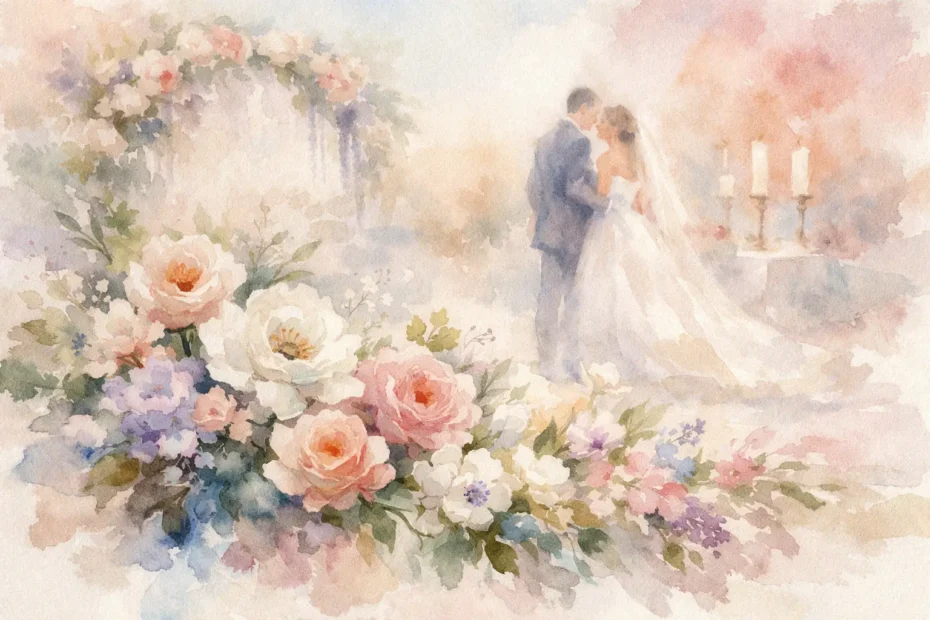
A bouquet can be beautiful and still say very little. The weddings people remember most are the ones where every floral detail feels connected – where the flowers do more than decorate a space and instead reflect the couple, the mood, and the meaning behind the day. That is the heart of floral storytelling for weddings.
When flowers are chosen with intention, they create a feeling guests can sense before they ever put it into words. A garden-style ceremony may feel soft, romantic, and full of movement. A reception lined with deeper tones and candlelight may feel richer, quieter, and more intimate. The flowers are not just part of the backdrop. They help tell the story of who you are and how you want your celebration to feel.
What floral storytelling for weddings really means
Floral storytelling begins with personality, not petals. Before anyone talks about rose varieties or centerpiece shapes, the better question is this: what should your wedding feel like?
Some couples want warmth and ease, with flowers that look gathered from an English garden. Others want polish and structure, with clean lines and a more formal presence. Some are drawn to color because it reflects joy and energy. Others want a softer palette that feels timeless and calm. None of those choices are more correct than the others. What matters is that the floral design feels true to you.
This is where custom wedding flowers become more than a checklist item. Your bridal bouquet, ceremony flowers, reception centerpieces, and floral accents all work together to create a visual language. Texture, color, movement, scale, and even the way arrangements are placed in a room can shape the emotional tone of the day.
The story usually starts with your setting
Your venue already gives the flowers a first chapter. A ballroom, a tented reception, a church ceremony, and a garden-inspired event space each call for something different.
In the suburban Chicago area, many couples are working with spaces that range from elegant banquet halls to charming private venues and classic churches. That matters because floral storytelling works best when it responds to the setting rather than fighting it. A lush, airy design may soften a formal room beautifully. In another space, more defined arrangements might create the balance that the room needs.
Good floral design does not ignore architecture, lighting, linens, or rentals. It considers how everything works together. If your venue has high ceilings, the flowers may need stronger vertical presence. If the room is intimate, lower centerpieces with layered texture may feel more welcoming than oversized statements. The goal is not simply to fill the space. It is to give it personality.
Color carries emotion
Color is often the most immediate part of floral storytelling, and it does a surprising amount of emotional work.
Soft blush, ivory, and pale blue can feel romantic and light. Warm peach, terracotta, and muted gold often feel inviting and grounded. Deep burgundy, plum, and espresso tones can create drama and richness, especially in evening receptions. Greenery also changes the story. A softer, more natural green palette feels fresh and organic, while darker foliage can add depth and formality.
The best palette is not always the trendiest one. Sometimes a couple loves neutrals but wants one unexpected accent color because it reminds them of a favorite place or season. Sometimes the right palette comes from a family textile, invitation suite, bridesmaid dress, or piece of heirloom jewelry. These quieter references often make the design feel personal in a way guests notice, even if they cannot name exactly why.
Flower choices can be symbolic, but they do not have to be literal
Many couples ask whether their flowers should have a meaning attached. They can, but they do not need to in order to tell a story well.
A bride may carry garden roses because they remind her of her grandmother’s backyard. A couple may choose white flowers for their ceremony because they want the moment to feel peaceful and classic, then bring in stronger color at the reception when the celebration opens up. Some may include seasonal blooms because they want the design to feel rooted in the time of year. Others care more about shape and texture than symbolism, and that is just as valid.
The strongest storytelling usually comes from a mix of emotional meaning and visual consistency. If every flower was chosen for symbolism alone, the final design might not feel cohesive. If every choice was purely aesthetic, it could miss some warmth. The sweet spot is where beauty and meaning meet.
How the story unfolds across the wedding day
One of the most overlooked parts of floral storytelling for weddings is progression. Your flowers do not have to say everything all at once.
The personal flowers often begin the story. Bouquets, boutonnieres, and flowers for family members are close-up details. They appear in portraits, in quiet moments, and during the ceremony. This is where sentiment often feels strongest.
Ceremony flowers then shape the emotional center of the day. They frame the vows, guide the eye, and set the tone for one of the most meaningful parts of the celebration. That might mean a floral arch with soft movement, aisle flowers that create intimacy, or altar arrangements that give structure without overwhelming the space.
At the reception, the story broadens. Centerpieces, sweetheart table flowers, bar accents, cake flowers, and floral installations bring the atmosphere to life. The mood can stay consistent with the ceremony, or it can deepen and become more celebratory. A couple may start with a restrained, romantic ceremony palette and move into fuller, more layered reception florals that feel festive and abundant.
That shift is often what makes the event feel dynamic rather than repetitive.
Why custom design matters more than copying a photo
It is completely natural to save inspiration photos. They are helpful for identifying what you love. But the most meaningful floral design rarely comes from recreating someone else’s wedding detail for detail.
Photos do not show the full picture. They do not tell you how that arrangement worked with the room, what flowers were in season, what the budget allowed, or how the design felt in person. A floral plan that is perfect for one couple in one venue may feel disconnected in another setting.
A custom approach allows the design to respond to your story, your priorities, and the natural conditions of your date and venue. It also gives room for smart decisions. If one bloom is unavailable or not the best fit for the season, an experienced floral designer can preserve the feeling you want without forcing a specific stem into the plan.
That flexibility matters. It protects both the beauty of the design and the experience of the planning process.
The practical side of beautiful storytelling
Romance matters, but so does execution. The flowers that feel effortless on a wedding day usually come from careful planning behind the scenes.
Storytelling works best when the floral designer pays attention to installation timing, delivery logistics, room flips, repurposing opportunities, and scale. A ceremony arrangement may later frame a sweetheart table. A floral meadow from the altar may be moved to the reception. Bridesmaid bouquets may become part of the head table design. These are practical decisions, but they also help the story feel continuous from one part of the day to the next.
This is especially valuable for couples who want a polished look while staying thoughtful about budget. Not every floral moment has to be large to be effective. Sometimes one beautifully designed focal piece and a series of well-placed supporting details create more impact than trying to put flowers everywhere.
A caring design partner helps you decide where florals will matter most visually and emotionally.
Questions worth asking before floral planning begins
Before your consultation, it helps to think beyond favorite flowers. Ask yourselves what moments matter most, how formal or relaxed you want the atmosphere to feel, whether you want the ceremony and reception to feel similar or different, and what personal references might be meaningful to include.
You do not need a fully formed design vocabulary to answer those questions. You simply need honesty. If you want the room to feel joyful, intimate, romantic, dramatic, fresh, refined, or natural, that is enough to begin. A strong floral designer can translate those instincts into shape, color, texture, and placement.
At An English Garden Wedding & Event Florals, that translation process is where the real artistry begins. Not in offering standard arrangements, but in listening closely enough to create something that feels unmistakably yours.
The loveliest wedding flowers are not always the most elaborate. They are the ones that make the room feel like your story has gently taken shape all around you.