
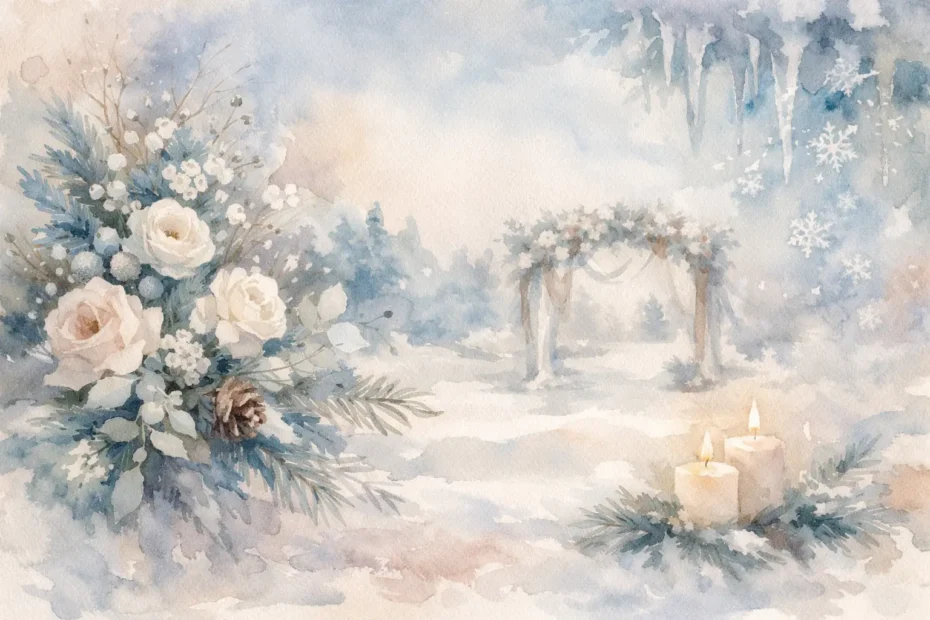
Winter weddings have a way of making flowers feel even more meaningful. Against candlelight, velvet textures, black-tie fashion, or a softly falling snow, the right floral design does more than decorate a room – it creates warmth, romance, and a sense of occasion. If you’re trying to plan florals for winter wedding celebrations, the secret is not simply choosing flowers you like. It is choosing designs that feel beautiful in the season, work with your venue, and reflect your story in a way that still feels effortless.
What makes winter wedding florals different
Winter floral planning begins with mood. Spring weddings often lean airy and garden-like. Summer can handle abundance and color. Winter asks for a little more intention. The light is different, the weather is less predictable, and many couples want the atmosphere to feel cozy, elegant, dramatic, or softly romantic.
That does not mean winter flowers need to be dark, holiday-themed, or heavy. Some of the most striking winter wedding florals are creamy and delicate. Others are rich with texture and movement. The season gives you room to play with contrast – soft petals against evergreen, sculptural branches beside candles, or refined white blooms paired with deeper accents like burgundy, plum, or espresso.
There is also a practical side. Some flowers are easier to source in winter than others, and some hold up better in cold temperatures during outdoor photos or transportation. That is why winter floral design works best when beauty and logistics are planned together.
How to plan florals for winter wedding events with intention
The best place to start is not with a flower variety. Start with the experience you want people to have when they walk into the space. Do you want your wedding to feel like an intimate candlelit dinner, a snowy romantic evening, a modern black-tie celebration, or an elegant garden-inspired event brought indoors for the season?
Once that feeling is clear, your floral choices become easier. A cozy, romantic wedding might call for garden roses, ranunculus, berries, and layered greenery. A more modern winter wedding may look cleaner and more sculptural, with orchids, anthurium, branches, and restrained color. If your style leans timeless, white roses, lisianthus, stock, and touches of evergreen can create something classic without feeling predictable.
This is also the moment to think about color honestly. Winter palettes do not have to stay in white and green. Those tones are beautiful, but winter also carries navy, mauve, soft blue, champagne, deep red, icy blush, and even terracotta surprisingly well. The key is balance. Rich colors can feel lush and inviting, while lighter palettes can brighten a darker season.
Start with the flowers that matter most
Not every floral moment needs the same level of investment. When couples feel overwhelmed, it usually helps to focus first on the pieces that will be seen most closely and remembered longest.
Personal flowers matter because they live in your photographs. The bridal bouquet, boutonnieres, and floral details for immediate family deserve thoughtful attention. A winter bouquet can be especially beautiful when it has texture – not just blooms, but movement from seasonal foliage, berries, or subtle dried elements used with restraint.
Ceremony flowers are the next priority because they frame one of the most emotional parts of the day. In winter, an arch, grounded floral meadow, or statement aisle design can warm up a room quickly. If your ceremony and reception are in the same venue, repurposing those pieces is often a smart choice. It gives your budget more reach without sacrificing impact.
Reception florals should support the room, not fight it. If your venue already has architectural character, fireplaces, chandeliers, wood beams, or dramatic windows, your flowers can enhance that atmosphere rather than overpower it. If the space feels plain in winter, florals paired with candles and rentals can completely transform it.
The best winter flowers and textures to consider
Winter floral design shines when it mixes blooms with texture. Roses, ranunculus, tulips, anemones, lisianthus, carnations, hellebores, and orchids are all strong options depending on your style and availability. They each bring something different, from softness to structure.
Greenery matters just as much in winter. Evergreen, cedar, pine, and eucalyptus can add depth and seasonal character, but they should be used with intention. Too much evergreen can start to read as holiday decor if that is not your vision. Used thoughtfully, it feels natural, elevated, and timeless.
Berries, seed pods, branches, and textural accents can also add dimension. This is where winter florals become memorable. The design feels less one-note and more curated. A bouquet with velvety roses and delicate ranunculus is beautiful. Add a hint of berry or soft branch movement, and it suddenly feels like it belongs to the season.
There is always a conversation around fresh versus dried elements. In winter, dried accents can work beautifully when they support the overall aesthetic. The trade-off is that they can shift the look more rustic or bohemian, so they are not right for every event. If your vision is classic romance, they should be minimal or skipped altogether.
Venue, weather, and timing matter more than couples expect
When you plan florals for winter wedding days in the Chicago suburbs, weather cannot be treated as an afterthought. Cold temperatures affect transportation, outdoor installations, and the amount of time bouquets can comfortably stay outside for photos. Wind and snow can also change the way larger pieces need to be built and secured.
This does not mean winter weddings are difficult. It simply means design decisions should be made with your setting in mind. A church ceremony with a heated reception venue allows for one kind of floral plan. A loft, tented event, or property with outdoor transitions may require a different approach.
Lighting is another detail people often miss. Winter days get dark earlier, which means candlelight, uplighting, and floral color become even more influential. White florals can glow beautifully in evening light. Darker palettes can feel rich and dramatic, but they need enough contrast to avoid getting visually lost once the sun goes down.
Budgeting for winter florals without losing the magic
Winter floral budgets can vary more than people expect. Some assume winter is automatically less expensive than peak wedding season, but that depends on flower selection, holiday demand, and the scale of the designs. Imported blooms, premium flowers, and large installations can still carry a significant cost.
The most effective approach is to decide where flowers need to do the storytelling. If your bouquet, ceremony backdrop, and head table are emotionally and visually important, prioritize those first. Guest tables can still feel lush and beautiful through thoughtful variation. A mix of lower arrangements, candles, bud vases, or selectively placed statement pieces often creates a more interesting room than making every table identical.
Repurposing is especially valuable in winter. Ceremony flowers can move to the sweetheart table, bar, escort display, or reception entrance. Bridesmaid bouquets can become decor at the cake table or gift table. These choices help your floral investment travel through the day.
Creating a winter look that feels personal, not generic
One of the biggest concerns couples have is ending up with winter flowers that feel too holiday-specific or too expected. That is where customization matters.
A winter wedding can still feel garden-inspired. It can feel modern, minimal, regal, moody, or light and airy. Personal style shows up in your flower choices, yes, but also in shape, texture, scale, and what you pair with the florals. Silk ribbon, taper candles, velvet linens, fruit accents, gold vessels, clear glass, or soft draping can all change the story.
If you love the season but do not want a holiday look, skip obvious red-and-green combinations and use evergreen more sparingly. If you want winter romance rather than winter formality, choose softer shapes and layered petals over stiff symmetry. If your personality leans bold, this is a wonderful season for dramatic contrast and statement arrangements.
This is also why working with a floral designer as a creative partner matters so much. Great wedding flowers are not assembled from a checklist. They are designed around your venue, your priorities, your palette, and the emotional tone you want your guests to remember. At An English Garden Wedding & Event Florals, that planning process is where the magic starts to feel real.
Questions to ask before finalizing your floral plan
Before you approve a winter floral design, make sure you understand how each piece functions in the day. Ask which flowers are seasonal, which may be substituted if availability changes, and how designs will handle transport and temperature. Ask what can be repurposed and whether your floral plan is balanced across personal flowers, ceremony, and reception.
You should also ask whether the scale fits the space. This matters more than couples realize. A gorgeous centerpiece can disappear in a ballroom with tall ceilings, while an oversized arrangement can overwhelm a smaller, intimate venue. The right floral design feels connected to the room and the people in it.
Winter wedding flowers are at their best when they feel warm, intentional, and unmistakably yours. Let the season inspire the design, but do not let it limit it. The most beautiful floral plan is the one that makes your celebration feel deeply personal the moment your guests step inside.