
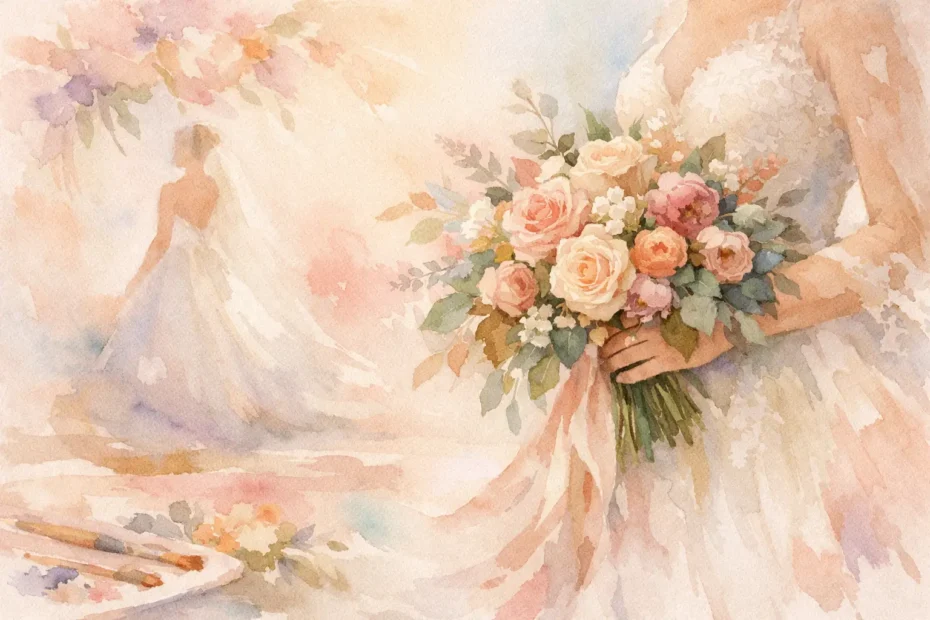
A bridal bouquet is one of the few wedding details that stays close to you through nearly every important moment – the walk down the aisle, the portraits, the quiet breaths before the ceremony, the celebration afterward. When couples want to create personalized bridal bouquet story details, they are usually asking for more than pretty flowers. They want something that feels like them.
That is where thoughtful floral design changes everything. A bouquet can reflect your relationship, your personality, your setting, and even the people you carry with you in spirit. The most meaningful bouquets are not built around trends alone. They are designed with intention, so every stem contributes to a larger story.
What it means to create a personalized bridal bouquet story
A bouquet story is the emotional thread behind the design. It is the reason certain flowers, colors, shapes, and textures belong together. Sometimes that story is obvious, like using blooms that remind you of a grandmother’s garden. Sometimes it is more subtle, like choosing airy movement to reflect a light, romantic outdoor ceremony or adding deeper tones to honor a fall wedding with a moody, elegant feel.
Creating that story does not mean every flower needs a dramatic meaning attached to it. In fact, forcing symbolism can make a bouquet feel less personal, not more. The best floral stories balance sentiment with design. A bouquet should still look cohesive, flattering in photos, and appropriate for the season and venue.
Start with your relationship, not the flower list
If you want to create a personalized bridal bouquet story that feels genuine, begin with your life together instead of a Pinterest board. Think about what defines your relationship. Maybe you bonded over weekend walks in the woods, summer trips to the lake, shared love of old garden roses, or a proposal that happened under soft string lights at a family celebration. Those details matter because they shape mood, not just color.
A florist can translate mood into flowers more effectively than a rigid stem-by-stem request list. If you say, “We want it to feel soft, natural, and a little bit nostalgic,” that gives a designer room to choose the right blooms and textures. If you say, “We need exactly these twelve flowers,” you may accidentally limit the artistry that would make the bouquet more beautiful and more personal.
This is also where personality comes in. One bride may want an unstructured bouquet with movement and garden-inspired texture. Another may want a more refined silhouette with clean lines and a quieter palette. Both can be deeply personal. The story is not only about meaning. It is also about how you want to feel holding it.
Use color to tell the emotional part of the story
Color is often the fastest way a bouquet communicates feeling. Soft blush, ivory, and pale peach create a romantic and timeless impression. Layered greens with white florals can feel fresh, graceful, and rooted in nature. Rich burgundy, plum, rust, and toffee bring warmth and depth, especially for fall celebrations.
The right palette depends on more than your wedding colors. It depends on the atmosphere you want around you. If your celebration leans classic and elegant, a restrained palette may tell your story best. If your event is joyful, artistic, and full of personality, unexpected color pairings might feel more authentic.
There is a trade-off here. Highly trend-driven palettes can look exciting now, but not every trend ages gracefully in photos. That does not mean you should avoid current styles. It simply means personal color choices usually hold up better than copying what is everywhere online.
Personal color cues worth considering
Sometimes the most meaningful palette comes from a place outside wedding planning. It could echo the flowers in your childhood backyard, the shades in your venue, the season when you met, or even the colors you naturally wear and love. Those references tend to feel more honest than choosing a palette only because it is popular.
Flower choices that carry meaning without feeling forced
Certain blooms naturally bring emotional weight. Roses may represent romance, sweet peas can feel delicate and nostalgic, peonies are lush and celebratory, and ranunculus offer layered softness that feels both refined and expressive. But meaning becomes stronger when it connects to your actual life.
Perhaps your mother grew hydrangeas. Maybe your partner always brings home tulips in spring. Maybe you are planning a garden-style wedding and want flowers that feel gathered rather than formal. These are the choices that create depth.
Seasonality matters too. A bouquet story is strongest when beauty and practicality work together. If a flower is out of season, hard to source, or too fragile for summer heat, there may be a better way to express the same feeling through a similar bloom or complementary texture. Good design is not about saying yes to every flower request. It is about finding the right interpretation.
Texture, shape, and movement matter just as much
When people think about bouquet personalization, they often focus on flower varieties and color. Those are important, but the physical style of the bouquet tells a story too. Shape affects mood. A rounded bouquet feels different from a loose, asymmetrical one. Delicate trailing elements create softness and movement. More compact designs can feel polished and formal.
Texture is where artistry really begins to show. Ruffled petals, airy accents, berries, seed pods, or layered greenery can make a bouquet feel romantic, whimsical, organic, or architectural. The mix should support the full event design, from attire to ceremony flowers to table arrangements.
This is why bouquets should not be designed in isolation. A personalized bouquet story becomes more powerful when it belongs to the larger celebration. If the ceremony arch is lush and garden-inspired, a stark modern bouquet may feel disconnected. If the reception is sleek and minimal, an overly wild bouquet might compete instead of complement.
The small details that make it unmistakably yours
Some of the most moving bouquet details are not floral at all. A wrap made from a piece of family fabric, a charm with a photo, a ribbon in a meaningful color, or a brooch passed through generations can turn a beautiful bouquet into a keepsake memory. These additions should feel integrated, not crowded.
Restraint matters. Too many sentimental add-ons can overwhelm the design and make the bouquet feel heavy visually and physically. Usually one or two meaningful accents are enough to create that emotional connection without distracting from the flowers themselves.
Create personalized bridal bouquet story ideas with subtle heirloom touches
If you want to create personalized bridal bouquet story elements through heirlooms, think small and intentional. A single pendant tucked into the wrap or a ribbon sewn from a mother’s dress can say more than several decorative accessories. Subtle details tend to photograph beautifully and feel timeless.
Work with your florist like a creative partner
The most memorable bouquets usually come from collaboration. Bring inspiration, but also bring context. Share your venue, dress style, overall floral vision, and any personal references that matter to you. Describe what you love, but also mention what you do not love. That honesty helps shape a more refined result.
A good floral designer will listen for themes. They will notice whether you are drawn to softness or structure, drama or delicacy, tradition or something more unexpected. At An English Garden Wedding & Event Florals, that kind of conversation is often what transforms inspiration into a bouquet that feels deeply personal and beautifully finished.
Trust is part of the process. Flowers are natural materials, and availability shifts. Weather, season, and supply all affect final choices. When you work with a florist who understands your story and your priorities, substitutions do not feel like compromises. They still support the look and feeling you wanted from the beginning.
When less meaning is actually better
Not every bridal bouquet needs a layered symbolic narrative. Some brides simply want flowers that feel elegant, flattering, and true to the event. That is valid. Personalization does not have to mean turning every bloom into a message.
Sometimes the story is simply this: you wanted your bouquet to feel romantic, natural, and unforgettable in your hands. That alone is enough. Beauty can be meaningful even when it is not literal.
The goal is not to make your bouquet explain your whole relationship. It is to let it reflect a part of it with care, style, and emotional honesty. When your flowers feel aligned with who you are and how you want your day to feel, people notice. More importantly, you notice.
If you are choosing your wedding flowers now, start by asking a gentler question than “What bouquet should I carry?” Ask instead, “What do I want this bouquet to say when I hold it?” The answer is usually where your story begins.